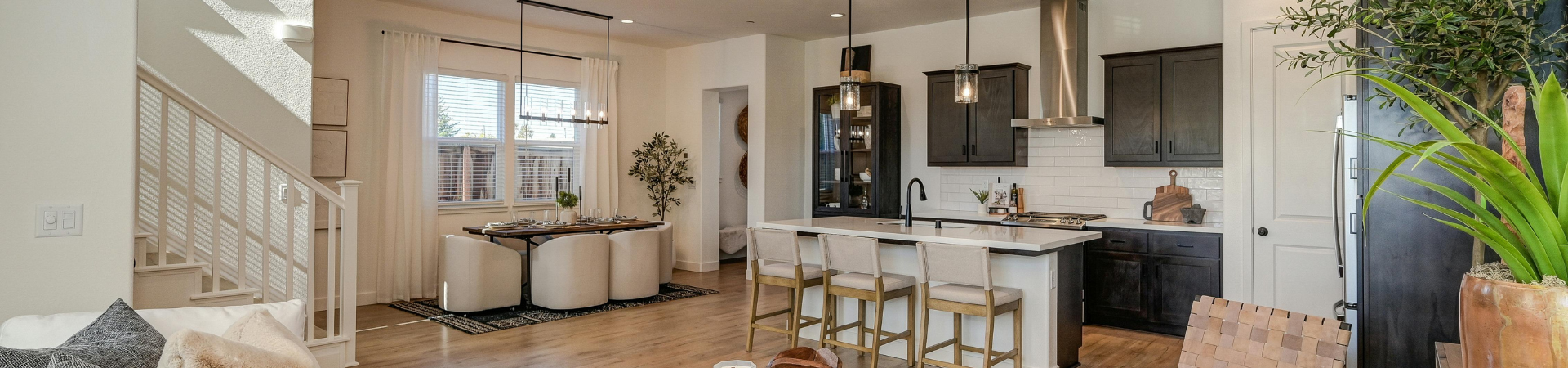
For many homeowners, the dream isn't simply buying a home—it's staying in it for as long as possible. As more people plan for the future, home design is evolving to support changing needs without sacrificing comfort or style.
Today's best aging-in-place homes prove that accessibility can be seamlessly built into beautiful living spaces from the very beginning.
Accessibility Is Becoming Part of the Design
Instead of adding ramps or grab bars years later, newer homes are being designed with accessibility in mind from day one.
Features like wider hallways, step-free entrances, and spacious layouts help create homes that remain comfortable for people of all ages and mobility levels while still maintaining a modern, upscale appearance.
Smarter Kitchens for Everyday Living
Modern accessible kitchens focus on making daily tasks easier without looking institutional.
Some newer homes now include:
- Adjustable-height cooktops
- Side-opening wall ovens
- Elevated dishwashers
- Accessible prep stations
- Easy-to-reach storage solutions
These features allow multiple generations to comfortably share the same space while making cooking safer and more convenient.

Photo courtesy: Sue Benson, RE/MAX Alliance Group
Bathrooms Built for Long-Term Comfort
Bathrooms are becoming one of the biggest priorities in accessible home design.
Popular upgrades include:
- Curbless walk-in showers
- Wider doorways
- Remote-controlled shower systems
- Slip-resistant flooring
- Easy-access fixtures
These improvements enhance safety while creating the clean, spa-like look many homeowners already want.
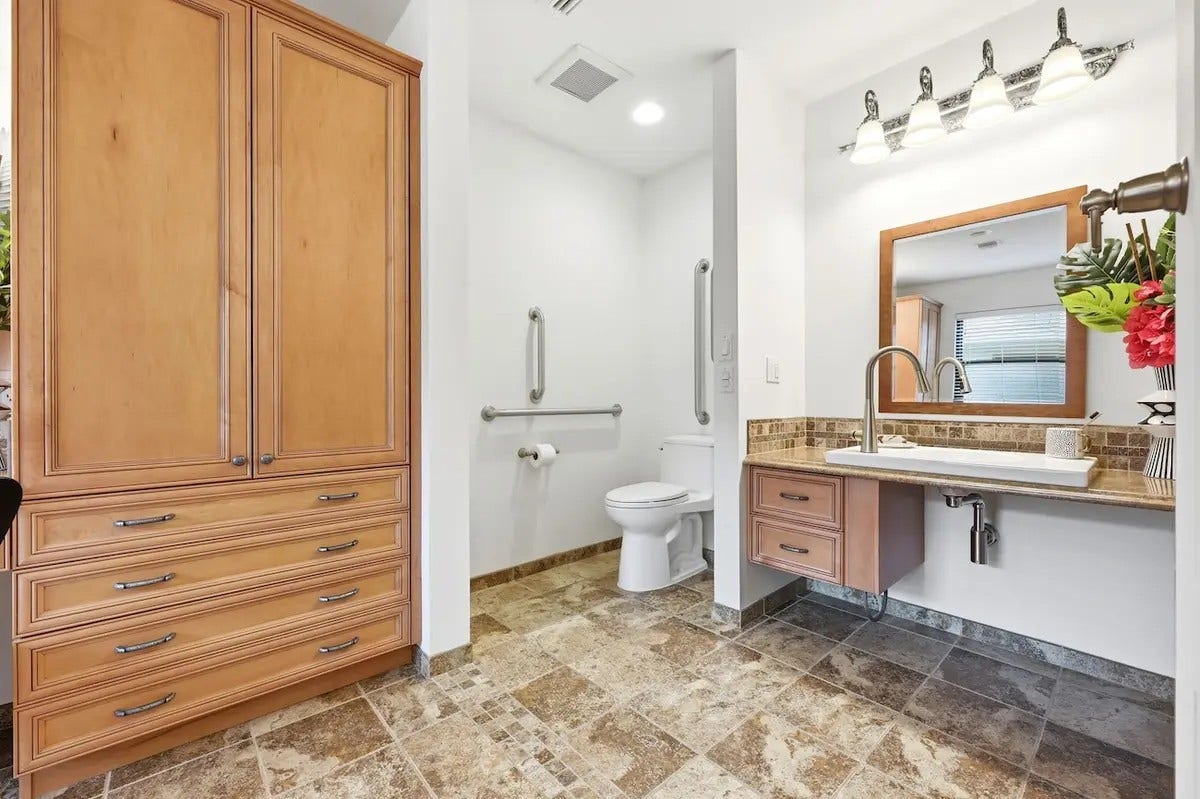
Photo courtesy: Sue Benson, RE/MAX Alliance Group
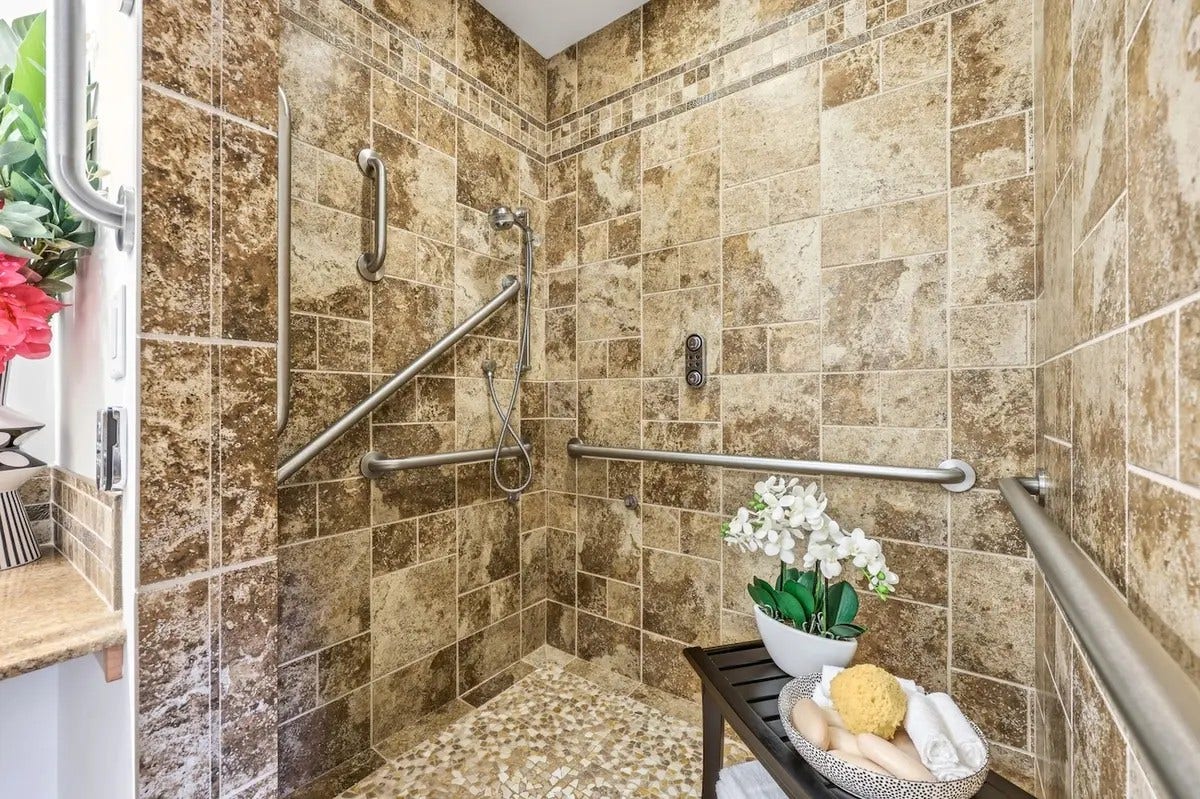
Photo courtesy: Sue Benson, RE/MAX Alliance Group

Photo courtesy: Sue Benson, RE/MAX Alliance Group
Flexible Spaces for Every Stage of Life
Homes are increasingly being designed to adapt as families grow and change.
Whether it's accommodating aging parents, creating space for adult children, or planning for future mobility needs, flexible layouts provide long-term value without requiring major renovations later.
Luxury and Accessibility Can Work Together
One of the biggest misconceptions is that accessible homes must look clinical.
Modern designs are proving otherwise by combining high-end finishes, elegant materials, and thoughtful functionality into one seamless design. Most visitors wouldn't even notice the accessibility features because they're fully integrated into the home's architecture.
Final Thought
The future of home design isn't just about luxury, it's about longevity.
Homes that combine accessibility with beautiful design offer comfort today while providing flexibility for tomorrow, making them an increasingly attractive choice for homeowners of every age.
Original article posted at www.nar.realtor
By Melissa Dittmann Tracey



Responses